
Purposeful Learning. Confident Thinkers.
Learning guided by thinking, questioning, and understanding — not memorization or pressure.
At Be Albright, we believe true learning begins with thinking and questioning.
Our approach combines strong academics with purposeful, joyful learning, helping children grow intellectually and confidently without stress.
THE RHYTHM OF LEARNING (Socratic)
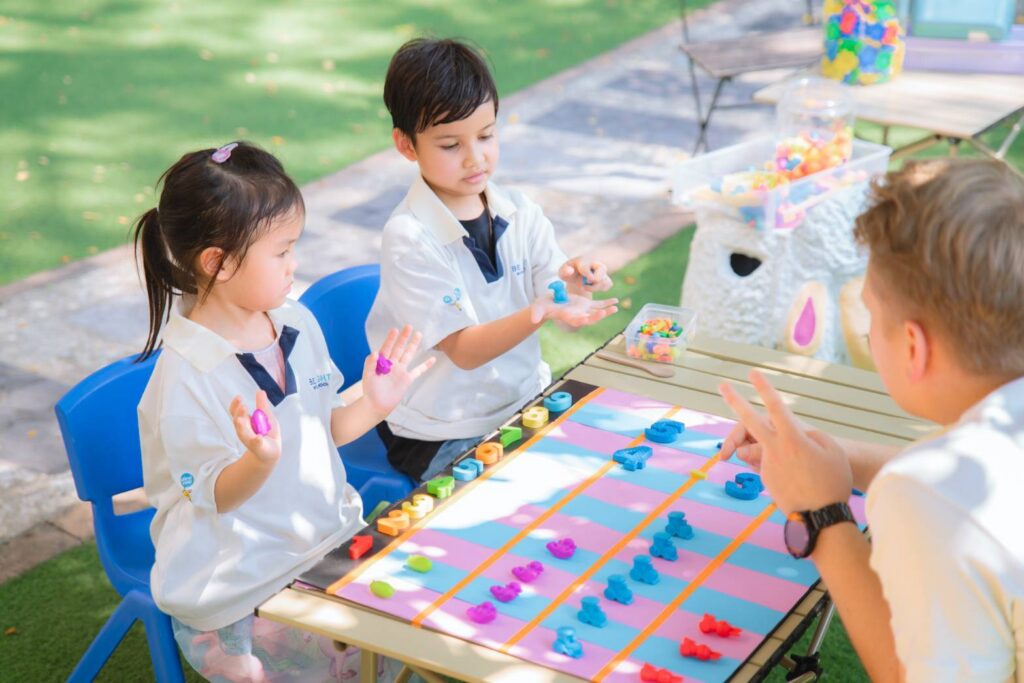
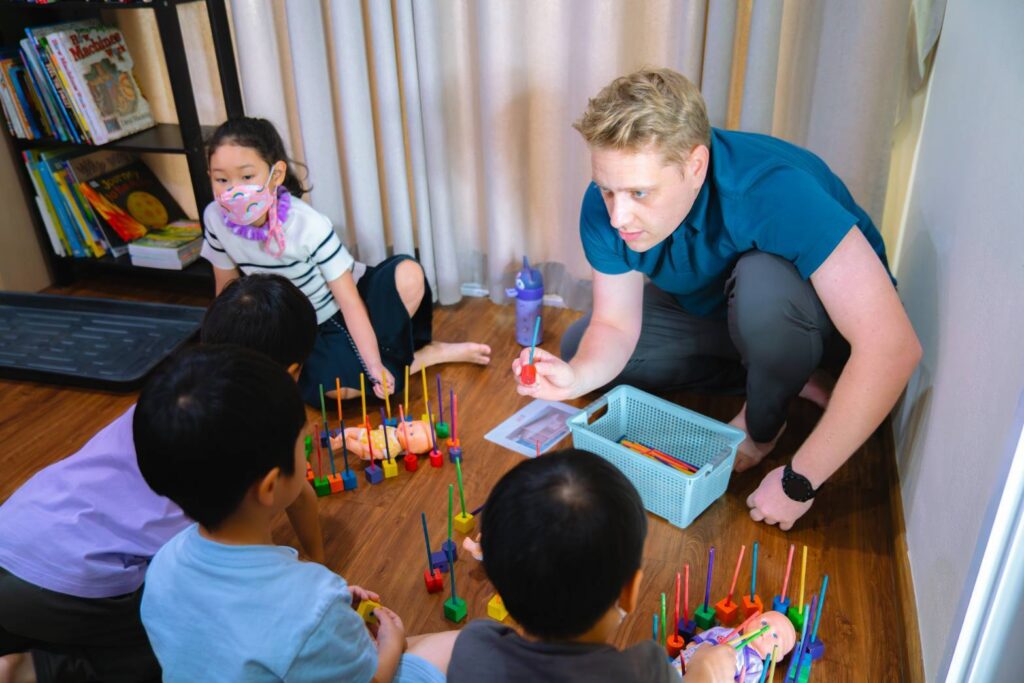
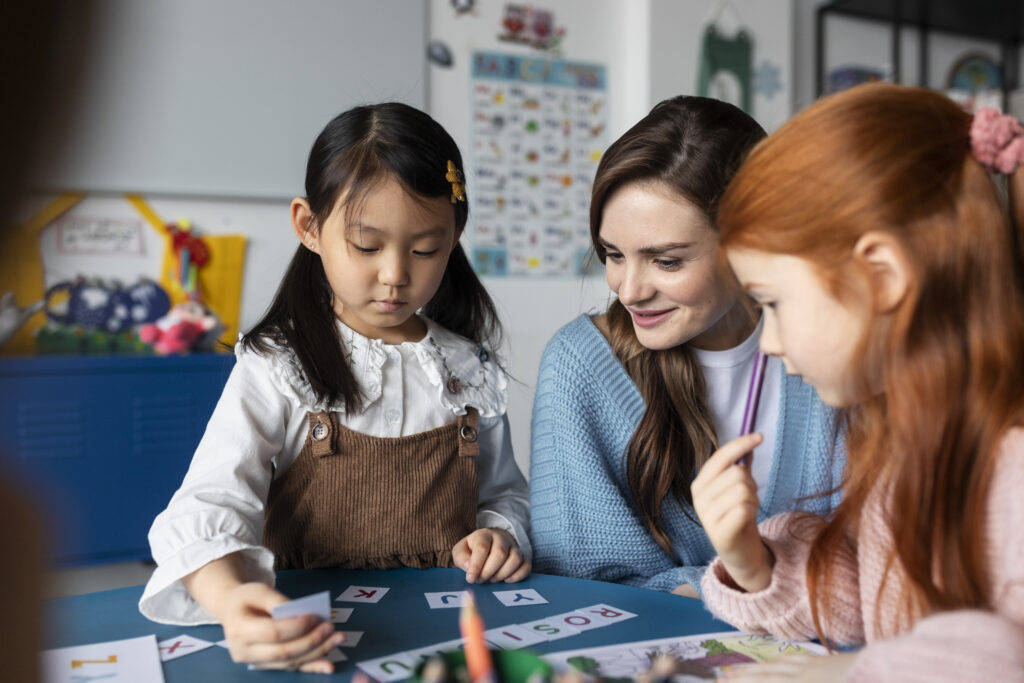
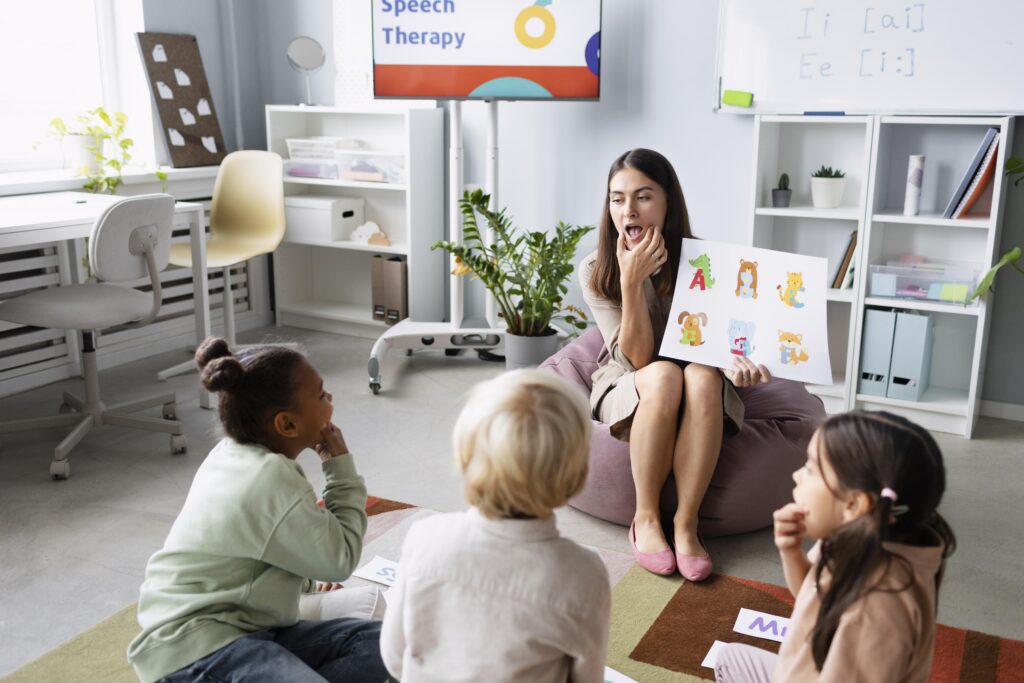
Inspired by the Socratic approach, teachers guide learning through open-ended questions.
Children explain their thinking, compare ideas, and reflect to build understanding from within.
Learning Journey
From Purposeful Play to Knowledgeable Communicators (Pre-K to Grade 6)

Learning begins through meaningful play with clear academic goals.

Children analyze, compare,
and reason through guided questions.

Learning becomes more analytical and organized.

Children present ideas clearly and confidently.
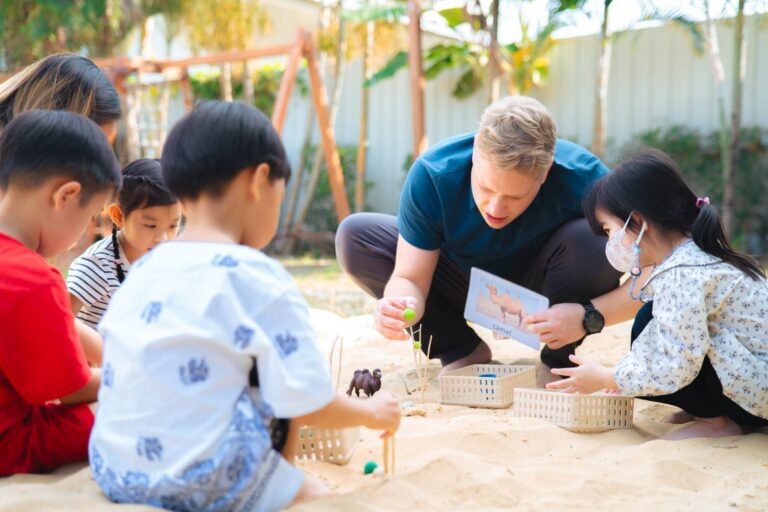
Behind every activity is intentional academic thinking.
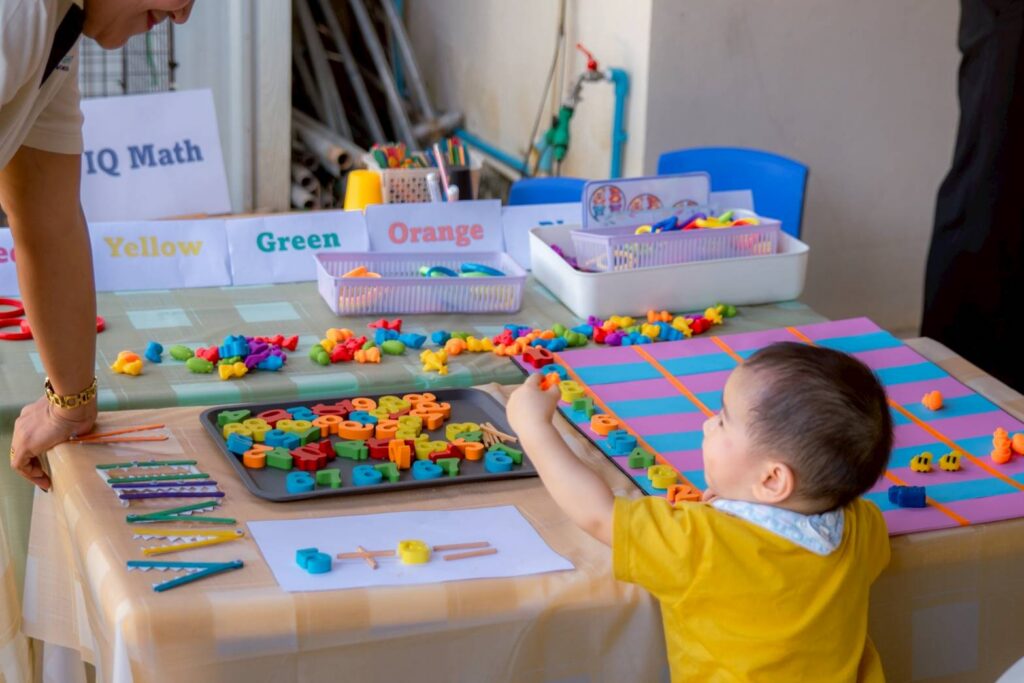
- Counting, comparing, and estimating
- Creating patterns and relationships
- Analyzing charts and graphs
- Organizing ideas with Mind Mapping
Whole Brain Learning
- Logical
- Thinking
- Reasoning
- Structure
- Analysis
- Creativity
- Imagination
- Expression
- Communication
At Be Albright, these abilities are developed together — not separately.
English is not just a subject. It is the language of thinking and learning.
Students build general knowledge, academic concepts, and real-world understanding through English across subjects.
They learn to explain ideas, ask questions, and present understanding clearly and confidently. present clearly, and think critically.
By Grade 6, students are confident English speakers and knowledgeable communicators who can explain ideas,
Through Project-Based Active Learning, students apply knowledge to real-world situations, collaborate, and present understanding meaningfully.
We place strong importance on Thai values, humility, good manners, and respect for others. Children are guided to grow with a humble heart — confident yet gentle, expressive yet respectful.
Through daily Reflection Time, children are encouraged to: Recognize their own value Appreciate the feelings and strengths of others Reflect on their actions, words, and attitudes Practice gratitude, empathy, and kindness
This reflective practice helps children develop emotional awareness and social maturity. They learn to be children who are not only capable and intelligent, but also warm, thoughtful, and loved by those around them.